The Architecture
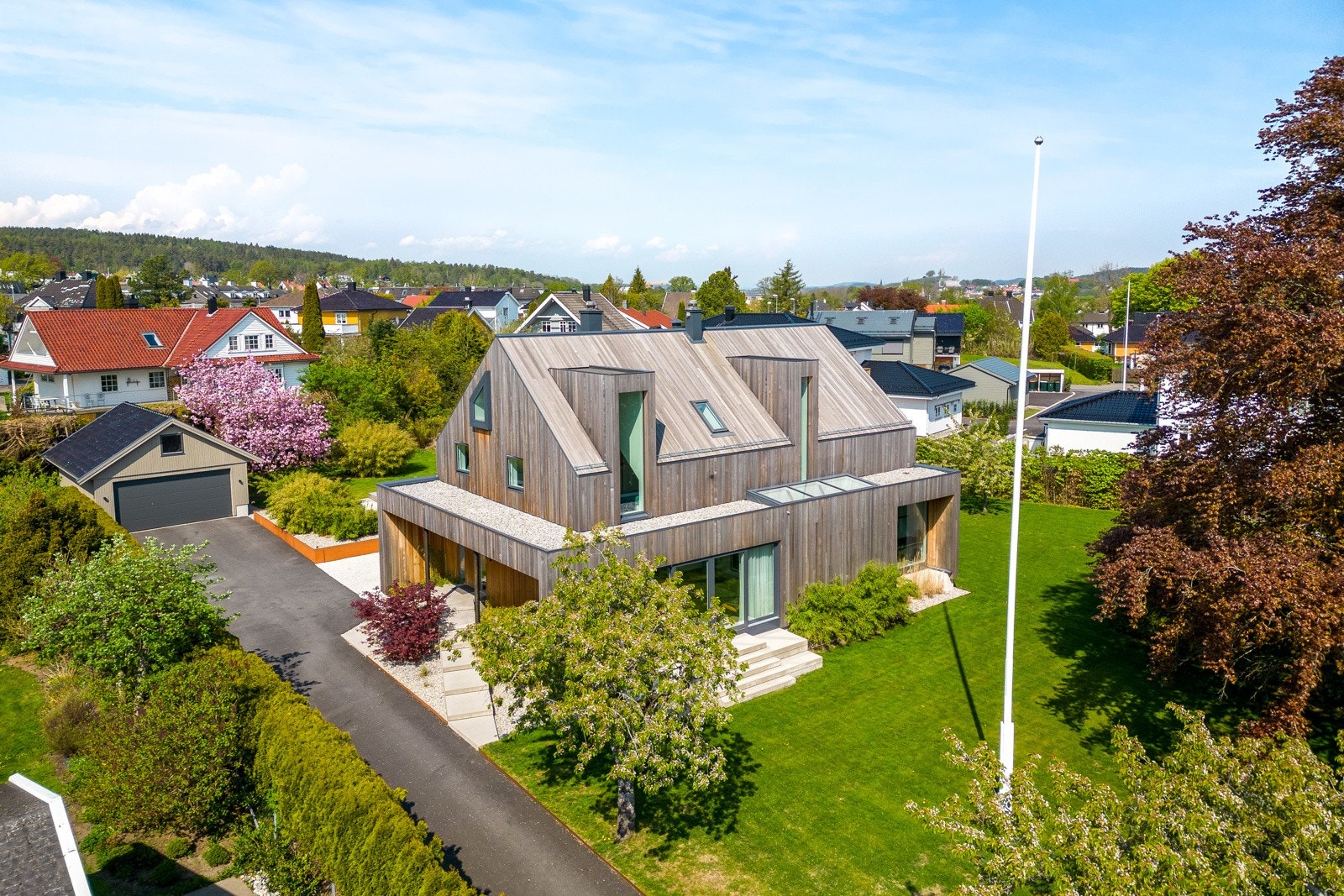
Bryggeveien 15 originates from a 1920s villa, yet today presents itself as a fully reinterpreted home.
Bryggeveien 15 originates from a 1920s villa, yet today presents itself as a fully reinterpreted home.
In 2018, the property underwent a comprehensive architectural transformation, where only the original foundation and selected load-bearing structures were retained.
The ambition was clear: to create a contemporary residence of lasting quality, guided by spatial experience, light and materiality rather than decoration or trend.
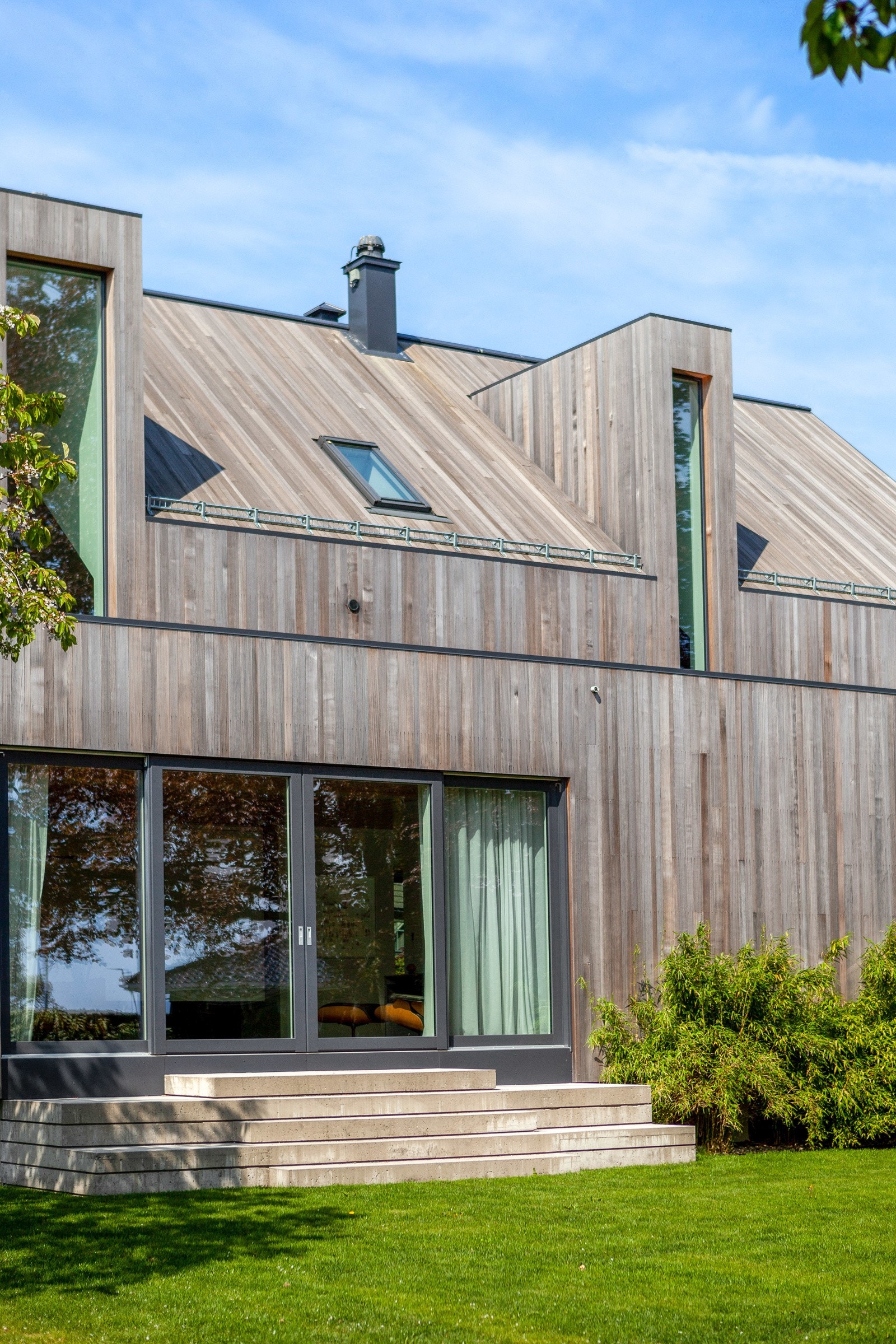
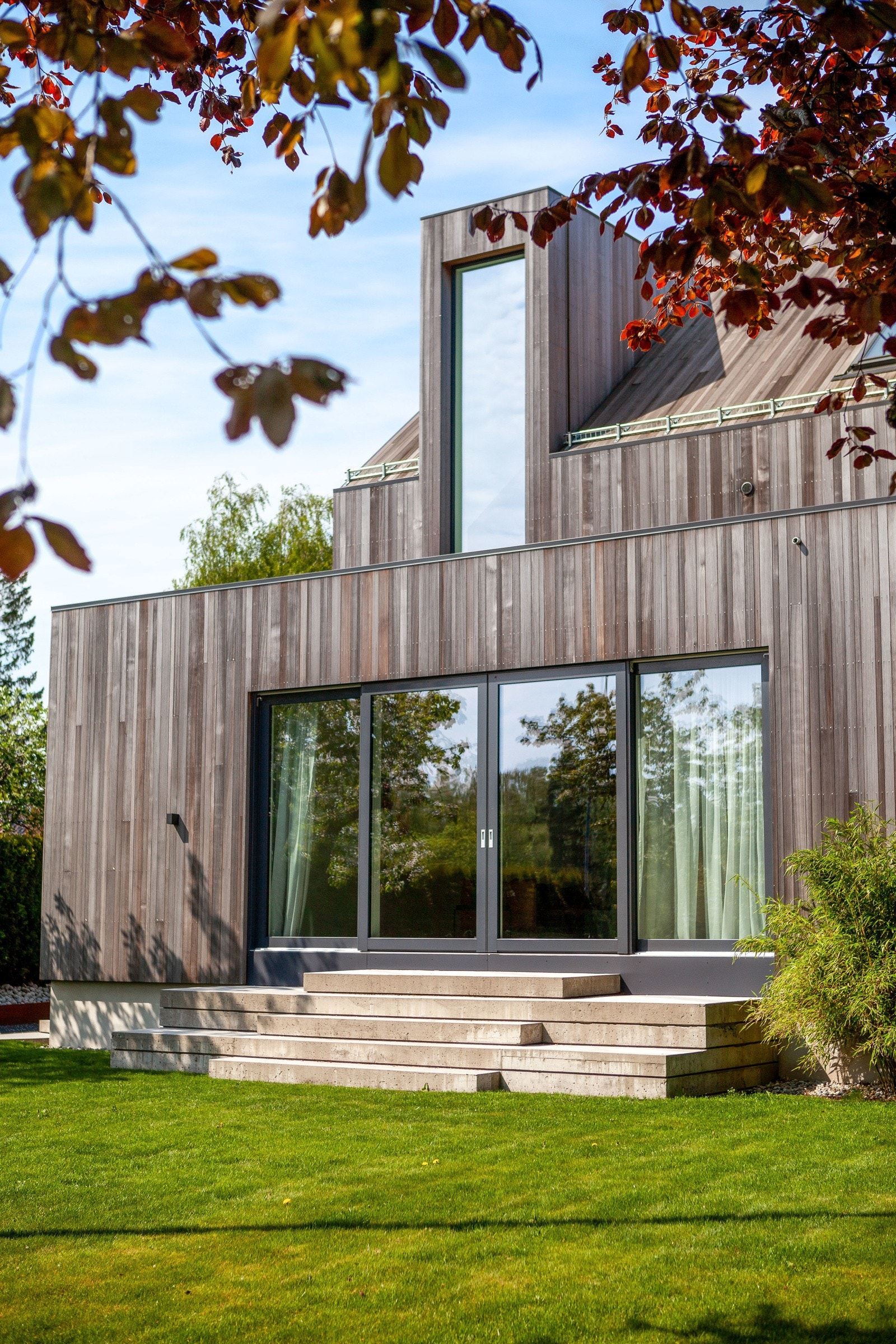
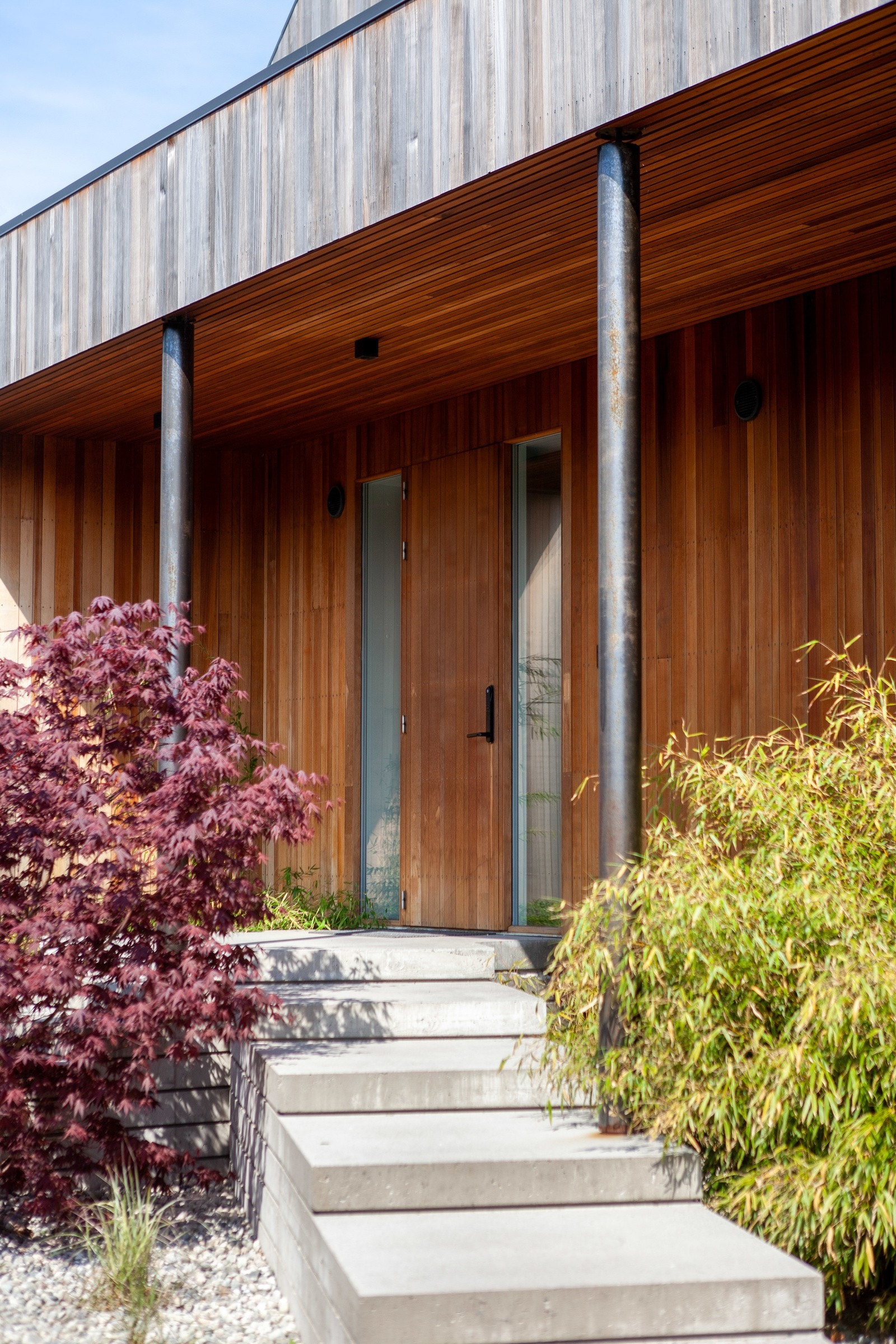
The architecture is founded on precise volumes and a deliberately restrained use of materials. The expression is clean without being rigid, balanced by natural textures, warm surfaces and generous openings for daylight.
Transitions between spaces, levels and functions have been carefully considered to create continuity and flow — both horizontally and vertically throughout the house.
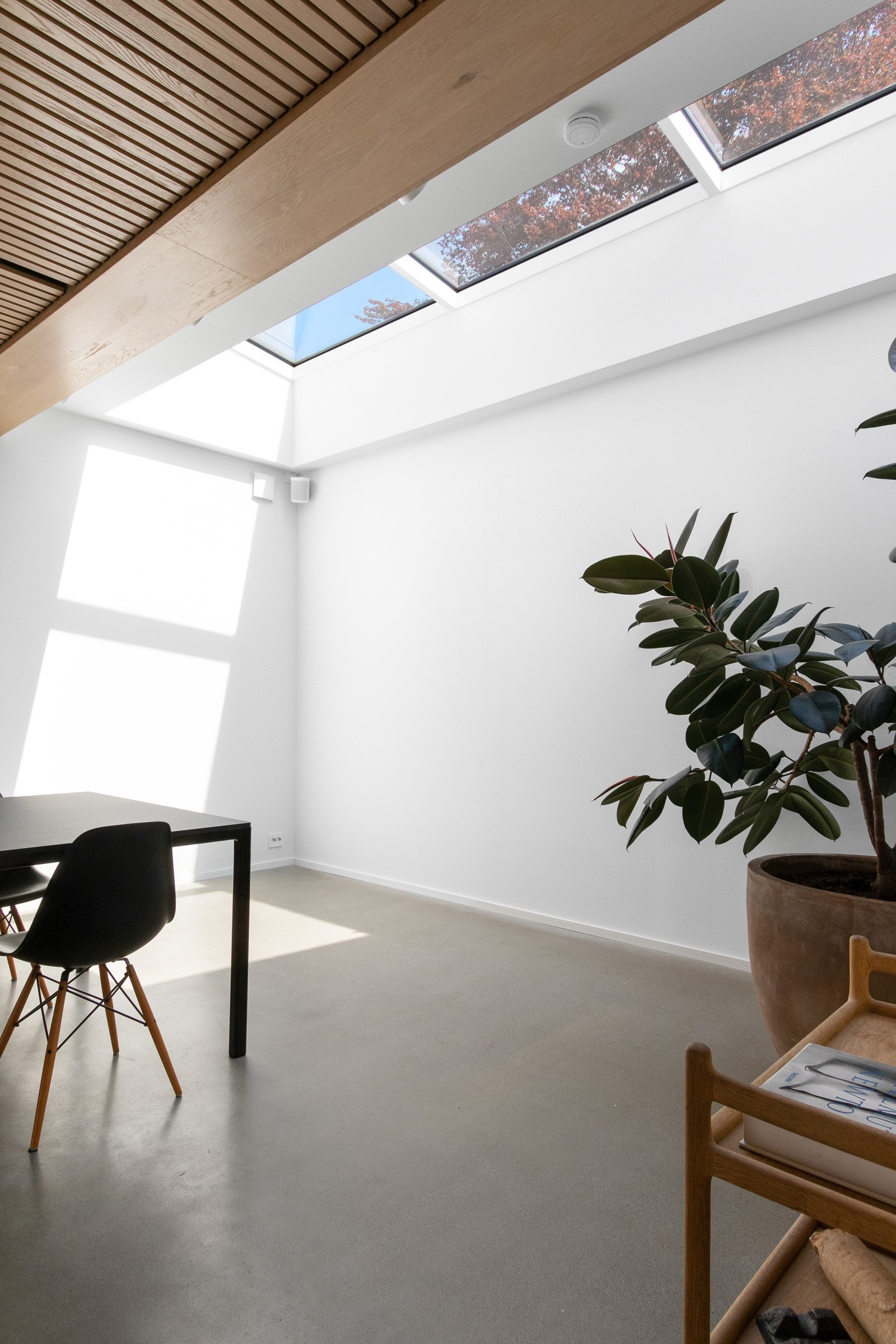
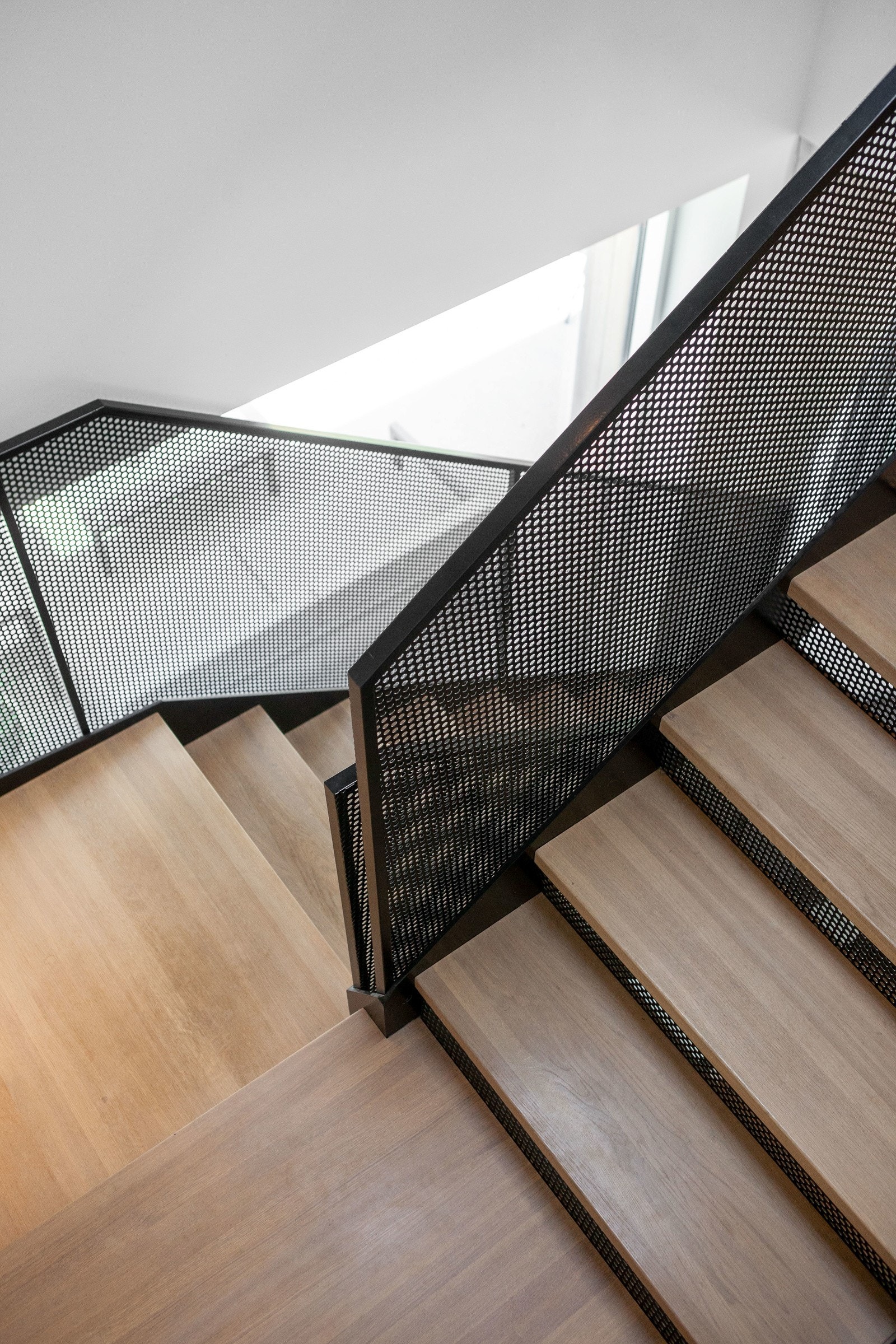
The material palette is consistent and restrained, defined by a limited number of carefully selected elements that give the house a clear identity. Oak slatted ceilings, concrete floors, expansive glazing and seamlessly integrated solutions form a coherent whole, where details support the architecture rather than compete with it.
Craftsmanship is intentionally visible where it adds value, and discreet where it does not.
Daylight has been a defining principle in the design of Bryggeveien 15. Expansive windows, roof lights and long sightlines allow the spaces to shift character throughout the day and across seasons.
Ceiling heights reaching up to five metres in parts of the house enhance the sense of space, creating openness without feeling monumental.
Bryggeveien 15 has been designed and built with longevity in mind. The architecture aims to be timeless rather than contemporary, and robust rather than spectacular.
The result is a home that accommodates both everyday life and larger gatherings — and one that will remain relevant for years to come.